Crossing the finish line is the end of the race, and the start of something most training plans barely mention: recovery. A marathon leaves real muscle damage, empty fuel stores and a tired immune system, and how you handle the following week decides whether you are back running happily in a fortnight or still hobbling down the stairs. This guide gives you a clear, day by day marathon recovery routine, along with the tools that make sore legs easier to live with.
What a Marathon Does to Your Body
Running 42.2km causes thousands of tiny tears in the muscle fibres of your quads, calves and glutes. That damage, and the inflammation that follows, is why soreness usually peaks one to two days after the race. Your glycogen stores are close to empty, you are dehydrated to some degree, and research shows that markers of muscle damage can stay raised for a week or more, even after your legs start to feel normal.
The takeaway is simple. Feeling fine is not the same as being recovered, so the first week is about patience: gentle movement, good food, plenty of sleep and recovery work that helps you feel better without adding stress.
The Four Things That Matter Most
Sleep
Sleep is when most repair happens. Aim for an extra hour a night in race week and do not feel guilty about an afternoon nap. Sleep on race night is often poor, which is normal, so protect the nights that follow.
Food and Fluids
Eat a mix of carbohydrate and protein within an hour or two of finishing, then keep eating well for several days. This is not the week to cut back. Sip fluids steadily, and include some salt or electrolytes if you sweated heavily.
Gentle Movement
Complete rest makes stiff legs stiffer. Short, easy walks from day one keep blood moving without loading damaged muscle. Swimming and easy cycling are good options later in the week.
Recovery Tools
Tools do not replace the three points above, but they make the week far more comfortable. The ones runners use most are compression, percussion, heat and cold. We explain each of them below and build them into the routine.
Recovery Tools Runners Actually Use
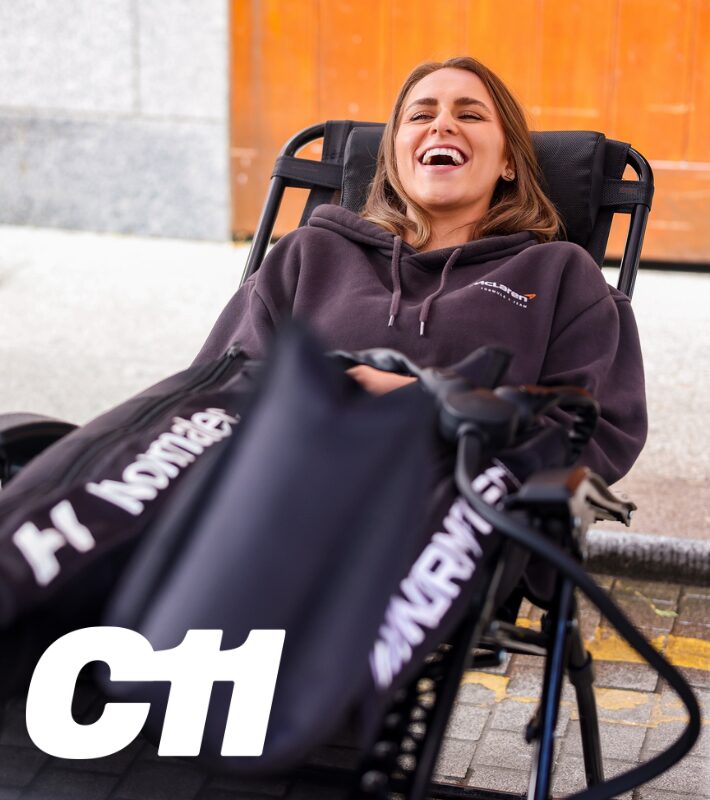
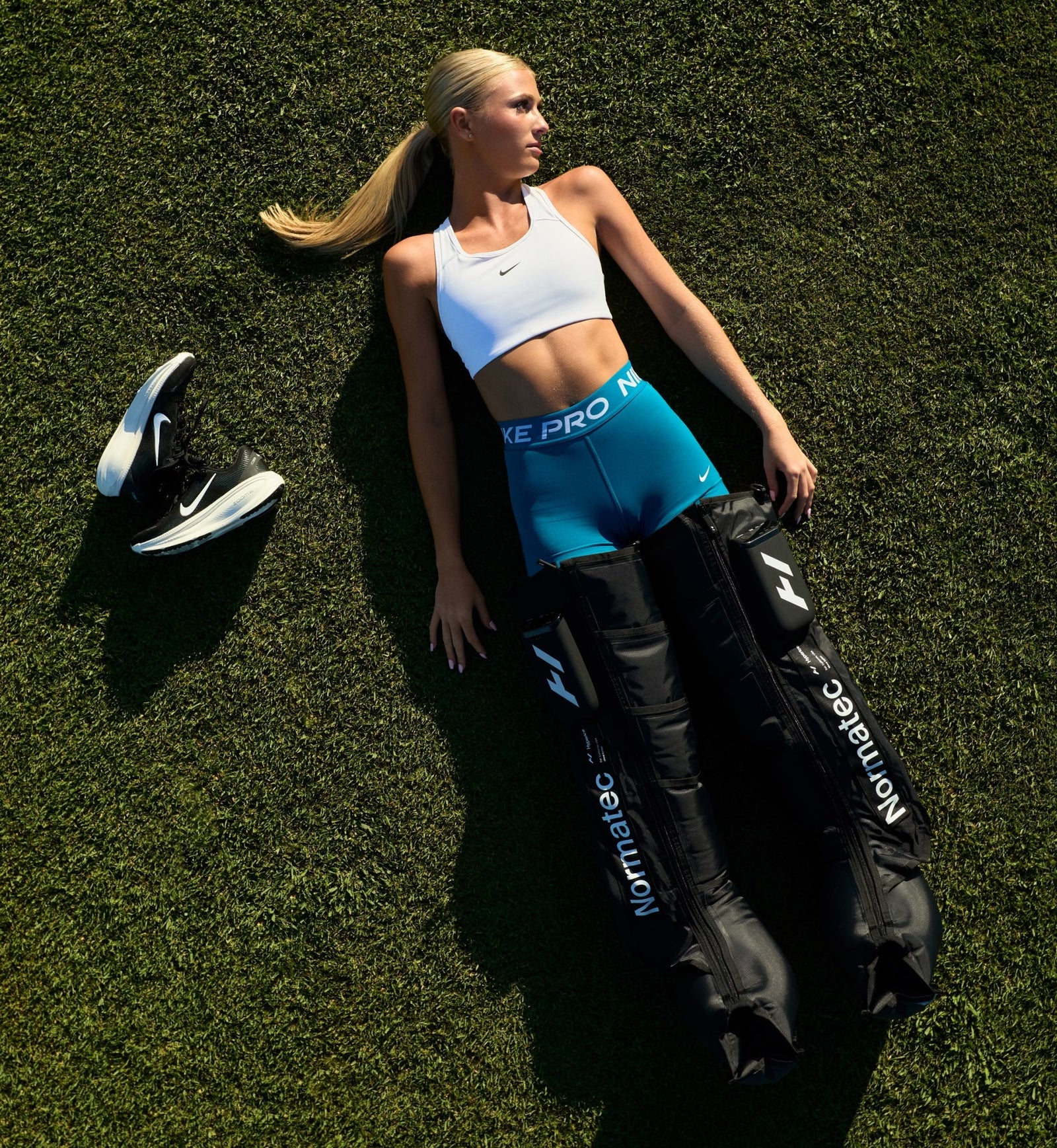
- Compression boots. Sequential air compression helps heavy, swollen legs feel lighter, and it makes you sit down and rest. The Normatec 3 Legs is the classic full leg system, and the Normatec Lower Legs is a compact option for calves. Our Normatec boots guide explains how they work.
- A massage gun. Useful from midweek onwards for tight calves, glutes and hips. The Hypervolt Go 3 is small enough for a race weekend bag, and the Hypervolt 3 suits home use. See how to use a massage gun for technique.
- Cold and contrast. Cold water helps legs feel fresher in the first days. If you have access to a plunge, follow our beginner ice bath routine. For a sore knee, the Hyperice Contrast 2 Knee delivers alternating hot and cold without ice or water.
- Heat. From day three or four, heat helps stiff muscles relax. The Hyperice Venom 2 Back combines heat and vibration for a tight lower back, which is common after hours of running. A sauna is another good option, as covered in our guide to sauna and ice bath contrast therapy.
You can see the full range on our Hyperice page, with free delivery in Ireland on every order.
Your 7 Day Marathon Recovery Routine
Follow this routine from the moment you finish. Adjust it to how you feel, and treat every session of recovery work as gentle: nothing in this week should hurt.
Step 1: The first hour after the finish
Keep walking for 10 to 15 minutes. Put on warm, dry clothes, start sipping fluids and eat something with carbohydrate and protein as soon as your stomach allows. Avoid sitting on the ground for long periods.
Step 2: Race day evening
Eat a full meal and keep drinking. If you have compression boots, do 20 to 30 minutes on a low level with your feet up. A short cool bath or cold plunge of a few minutes is optional. Skip stretching and deep massage, and get to bed early.
Step 3: Day 1: rest and walk
Take two or three easy walks of 10 to 15 minutes. Eat well, drink plenty and use compression for 30 minutes in the evening. Expect to be sore, especially on stairs.
Step 4: Day 2: soreness peaks
Repeat day one. This is usually the stiffest day, so keep moving little and often. Gentle cold or contrast on sore knees or calves can help. Still no running and no hard massage.
Step 5: Days 3 and 4: add gentle work
Walk for 20 to 30 minutes, or swim or cycle very easily. Introduce the massage gun on the lowest speed for one minute per muscle, and use heat on a stiff lower back or hips. Continue compression sessions in the evening.
Step 6: Days 5 and 6: easy cross training
If walking and stairs feel normal, do 20 to 30 minutes of easy cycling, swimming or a very relaxed jog on a soft surface. Follow it with your 10 minute massage gun routine and a compression session.
Step 7: Day 7: review and plan
Try an easy 20 to 30 minute run if your legs feel ready. If anything is sharp or one sided, stop and get it checked. Plan two more weeks of easy running before any speed work.
When Can You Run Again?
A common rule of thumb is one easy day for every mile raced, which means around three to four weeks before hard training resumes. That does not mean no running. Most runners can jog easily after five to seven days if walking and stairs feel normal. Keep the first two weeks short and conversational, add some strides in week three if you feel good, and leave races and hard sessions until at least week four.
Signs you need more time include soreness that gets worse during a run, a resting heart rate that is still higher than normal, poor sleep and a general lack of energy. Sharp or one sided pain, especially in the foot, shin or hip, is a reason to stop and see a physio.
Recovery Mistakes to Avoid
- Running too soon to test the legs. A test run in the first few days tells you nothing useful and delays healing.
- Deep massage in the first 48 hours. Damaged muscle does not need heavy pressure. Keep everything gentle early on.
- Under eating. Appetite can be low on race day and very high for days after. Follow it.
- Booking the next race immediately. Enjoy what you have done first. Plan the next goal once your legs and head are fresh.
Learn From the Dublin Marathon
C11 was at the 2026 Dublin Marathon Expo, and you can read about the weekend in our Dublin Marathon recovery post. For more on recovery for distance runners, see our piece with Puresport, For the Long Run.
Marathon Recovery FAQs
How long does it take to recover from a marathon?
Most runners feel normal in daily life within a week, but full recovery of the muscles usually takes two to four weeks. Plan at least three weeks before you return to hard training.
Should I take an ice bath after a marathon?
A short cold plunge or cool bath can help legs feel fresher and is fine if you enjoy it. Keep it brief on race day, as you may already be cold and depleted, and warm up properly afterwards.
When can I run again after a marathon?
Many runners take five to seven days off running completely, then start with short, easy runs. Wait until walking and stairs feel normal and build back gradually over the following weeks.
Do compression boots help after a marathon?
Compression boots can reduce the feeling of heaviness and soreness in the legs, and they encourage you to rest. A 20 to 30 minute session each evening in race week is a common approach. See our Normatec range for options.
Is it normal to feel sick or run down after a marathon?
Feeling tired, flat and more prone to colds for a few days is common, as the body is under a lot of stress. Rest, eat well and sleep. If you feel unwell beyond that or have chest pain, dark urine or severe swelling, seek medical advice.