
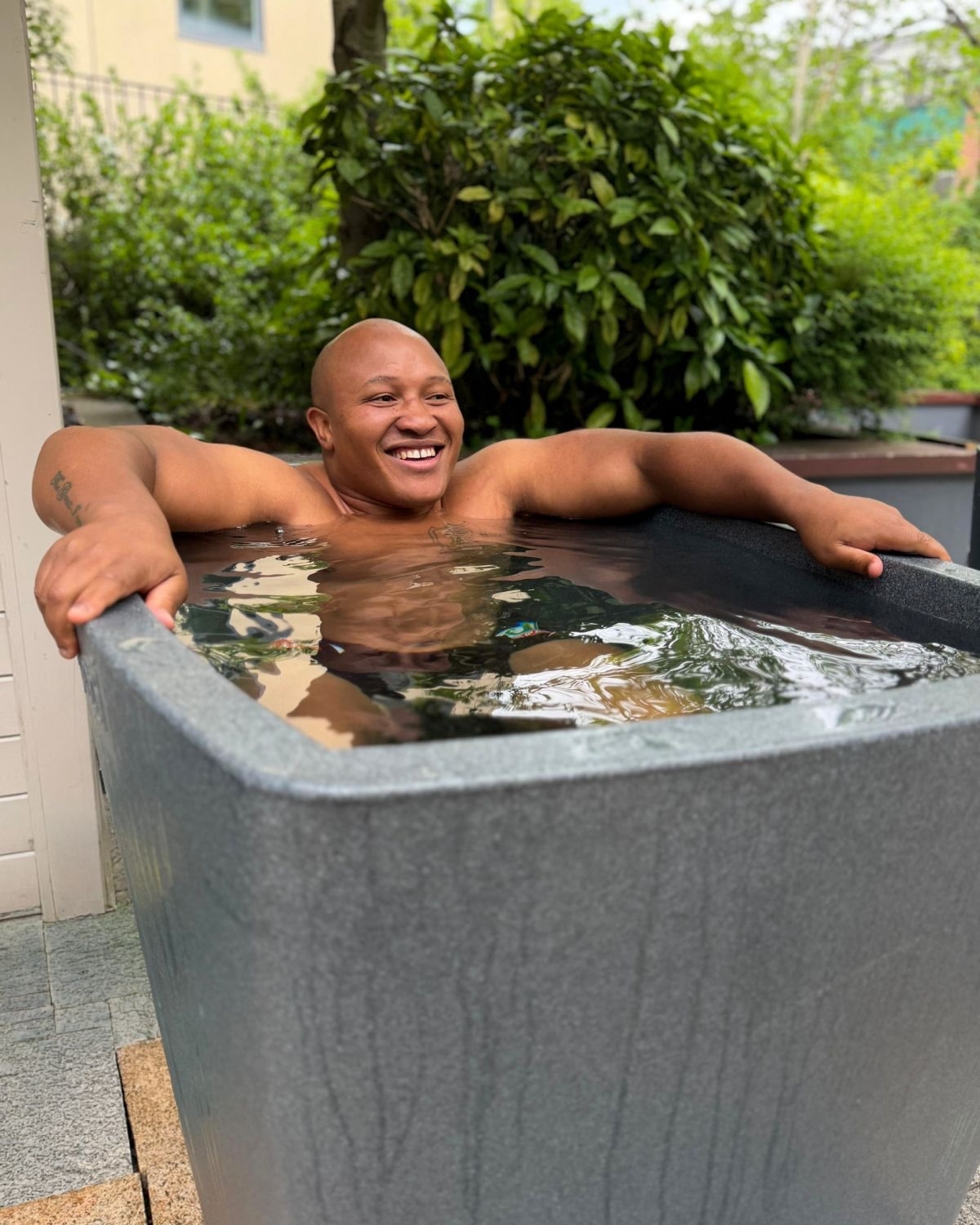
Most people who try cold water therapy don’t quit because it doesn’t work — they quit because they start too cold, stay in too long, and never build the habit properly. A good beginner routine isn’t about toughing out the coldest possible plunge on day one. It’s about building tolerance gradually, so cold water therapy becomes something you actually keep doing, not a one-off dare. Here’s a simple, structured four-week plan to get you started safely and consistently.
Ice Bath or Cold Plunge? A Quick Note Before You Start
Most people search for “ice bath,” but a cold plunge is really what makes a beginner routine easier to stick to. Instead of relying on melting bags of ice and a temperature that drifts the whole session, a cold plunge — like the Avantopool range supplied by C11 — holds an exact, consistent temperature automatically. That consistency matters more for beginners than almost anyone else, because it means every session is a known quantity while you’re still building tolerance.
Before You Start: A Few Ground Rules
- Check with your doctor first, especially if you have a cardiovascular condition, circulation issues, or are pregnant.
- Never do your first sessions alone. Have someone nearby in case you feel unwell.
- Never submerge your head or hold your breath — breathing is the actual skill here, not bravado.
- Have a warm-up plan ready before you get in: a towel, dry layers and a warm drink, so rewarming afterwards is quick and comfortable.
- Progress by going colder, not by staying in longer. This is the single most common mistake beginners make.
Week 1–2: Building the Habit
Goal: get comfortable with the sensation of cold water and build the routine itself.
- Temperature: 13–15°C (the warmer end of the effective range)
- Duration: 30 seconds to 2 minutes
- Frequency: 2 sessions per week
- Focus: Slow, steady breathing — in through the nose, out longer through the mouth. Don’t chase a personal best; just get in, breathe, and get comfortable being uncomfortable for a short window.
At this stage, the goal isn’t intensity — it’s showing up. Two short, manageable sessions a week that you actually complete are worth far more than one brutal session you dread and then avoid repeating.
Week 3–4: Extending Duration
Goal: start extending session length now that the initial shock response is familiar.
- Temperature: 10–13°C
- Duration: 2–4 minutes
- Frequency: 3 sessions per week
- Focus: Notice how your breathing settles faster than it did in week one. This is your nervous system adapting — a genuine, measurable sign of progress.
If a session ever feels harder than the previous one, that’s a normal signal to dial back the temperature slightly rather than push through. Consistency beats intensity, every time.
Week 5 Onwards: Settling Into a Sustainable Routine
Goal: find a rhythm you can maintain long-term, using temperature (not time) as your main lever for progress.
- Temperature: 10–13°C, moving colder gradually as tolerance builds
- Duration: 2–5 minutes
- Frequency: 2–4 sessions per week, aiming for roughly 11 minutes of total cold exposure across the week
Once you’re past the first month, resist the urge to keep adding minutes. A shorter session at a genuinely colder temperature produces a stronger physiological response than a longer session at a milder one — and it’s easier to fit into a routine besides.
Morning or Evening — Which Is Better?
Both work, and the right choice depends on what you want from it:
- Morning sessions tend to boost alertness and energy for the day ahead — a good option if you’re using cold water therapy to sharpen focus.
- Evening sessions are more commonly used to support wind-down and sleep quality later in the night.
Pick whichever slot you’re most likely to protect consistently. The best time for cold water therapy is the one you’ll actually stick to.
Should You Ice Bath Before or After Exercise?
Timing matters more than most beginners expect:
- For general soreness relief: plunge 30–60 minutes after training.
- For muscle growth: wait 6–8 hours after strength training, since immediate cold exposure can blunt the muscle-building response your body is trying to produce.
- On rest days: any time works — this is often the easiest, lowest-pressure time to build the habit early on.
Common Beginner Mistakes to Avoid
- Going too cold, too soon. Starting at the coldest setting on day one is the fastest way to make the first experience miserable and put yourself off trying again.
- Holding your breath or breathing too fast. Focus on slow, controlled breathing instead — it’s the difference between a manageable session and a panicked one.
- Adding time before adding cold. Once you’re comfortable, lower the temperature rather than extending the clock.
- Skipping the warm-up plan. Rewarming properly afterwards is part of the routine, not an afterthought.
- Doing it inconsistently. Two short sessions every week, every week, will get you further than one intense session followed by a two-week gap.
Why Consistency Matters More Than Intensity
The research behind cold water therapy is built on regular, moderate exposure over weeks and months — not the occasional extreme plunge. This is exactly why having a cold plunge that’s always at a set, ready temperature makes such a difference for beginners in particular. If every session requires filling a tub and waiting for ice to bring the temperature down, it’s easy to skip a session on a busy day. A unit that’s already at temperature removes that friction entirely, which is often the real difference between a routine that lasts a month and one that lasts a year.
Frequently Asked Questions
How long should a beginner stay in an ice bath?
Start with 30 seconds to 2 minutes at a warmer temperature (around 13–15°C), and build up gradually over the first few weeks.
How cold should an ice bath be for a beginner?
Beginners should start at the warmer end of the effective range, around 13–15°C, and move colder gradually as tolerance builds, rather than starting at the coldest possible setting.
How often should a beginner use an ice bath?
Twice a week is a reasonable starting frequency, building to 3–4 sessions per week after the first two weeks as your body adapts.
Should beginners ice bath before or after a workout?
After. For soreness relief, plunge 30–60 minutes post-workout. If the goal is muscle growth, wait 6–8 hours before getting in.
What’s the biggest mistake beginners make with ice baths?
Going too cold, too soon, and trying to stay in too long on day one. Progress works better when you extend the temperature range gradually and keep sessions short and manageable at first.
Is it normal to feel like it gets easier over time?
Yes. As your nervous system adapts to regular cold exposure, breathing typically settles faster during each session — a genuine sign that consistency is paying off.
Ready to Build Your Routine?
A consistent routine starts with a cold plunge that’s ready whenever you are. C11 supplies and installs the full Avantopool range across Ireland. Browse the range or get in touch and we’ll help you find the right model to start your routine.