
The most common reason people put off buying an ice bath isn’t that they don’t want one — it’s the assumption that a bin, a hose and a few bags of ice is basically free, and a proper unit is an unnecessary expense. On the purchase price alone, that’s true. But an ice bath isn’t a one-off cost — it’s something you use week after week, and that’s where the real comparison happens. Here’s what each option actually costs once you account for everything.
Ice Bath or Cold Plunge? A Quick Note Before You Start
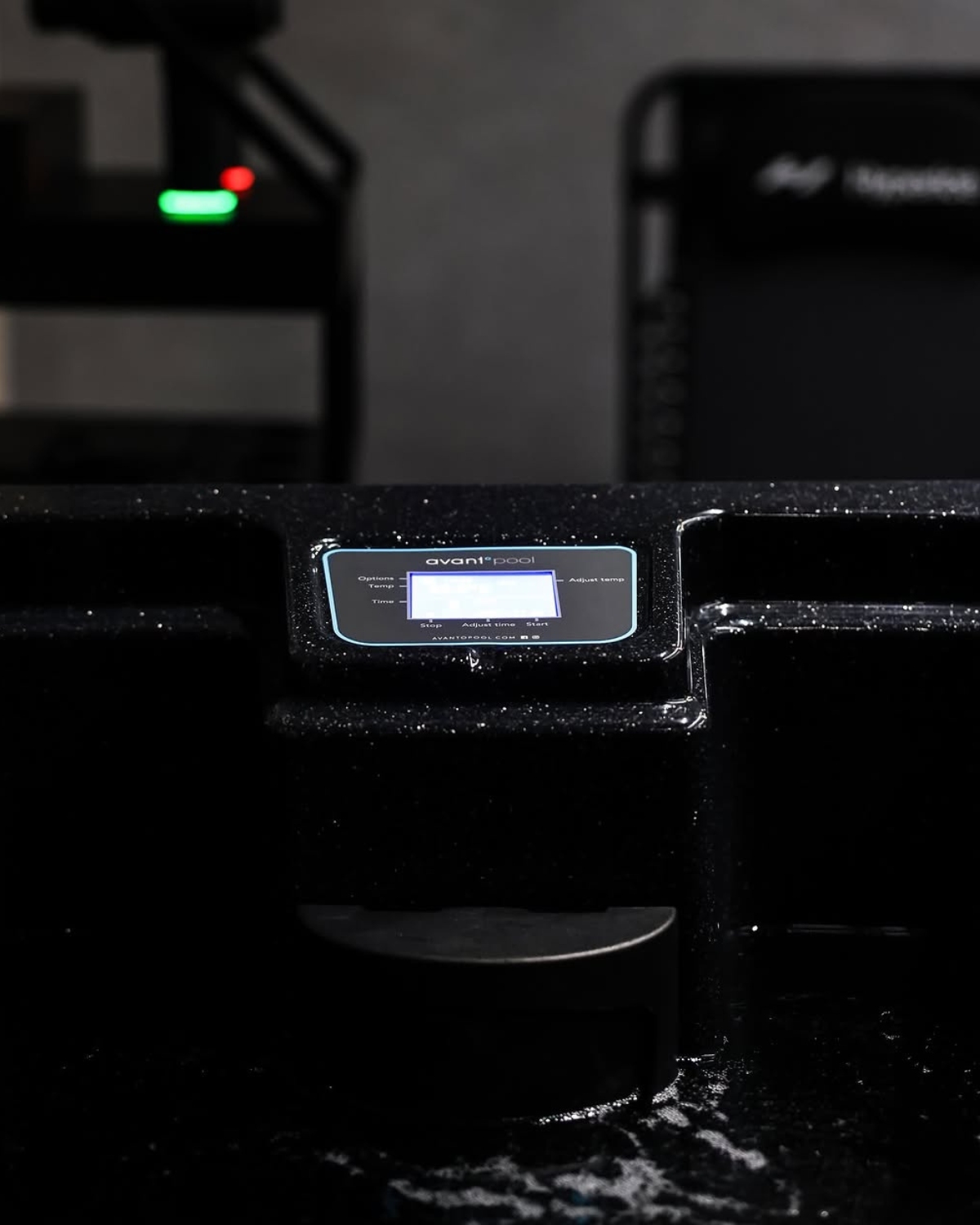
“Ice bath” is what most people search for, but there are really two different things being compared here: a DIY ice bath — a tub or bin cooled manually with bags of ice — and a cold plunge, a purpose-built unit with a chiller and filtration system that holds a set temperature automatically, like the Avantopool range supplied and installed by C11. Same cold water therapy, very different ongoing cost and effort.
The True Cost of a DIY Ice Bath
A DIY setup looks cheap at first glance — a large tub or trough and some bags of ice can be pulled together for relatively little upfront. But three ongoing costs get overlooked:
1. Ice, every single session
Chilling a full-size tub of water down to an effective temperature typically takes a significant volume of ice — often several bags per session, depending on the size of the tub and the starting water temperature. Buy that two, three, four times a week, and it adds up to a real, recurring grocery bill that never goes away, unlike a purchase price you pay once.
2. Time
Someone has to drive to the shop, carry the ice home, break it up, and get it into the water — every time, before every session. Then, after each use, the water needs to be drained and the tub cleaned before it can be refilled. That’s not a one-off inconvenience; it’s friction added to every single session, which is exactly the kind of friction that causes people to skip sessions and eventually stop altogether.
3. Inconsistent results
Ice melts. A DIY ice bath is coldest right after you fill it and steadily warms up from there — meaning the temperature you’re actually training in is a moving target, not the precise, repeatable 10–15°C that the research on cold water therapy is based on. There’s no way to hold a consistent temperature session after session without constant intervention.
The True Cost of a Cold Plunge
A cold plunge from C11 starts at €5,950.00 inc. VAT, which is a genuine upfront investment. But once it’s installed, the ongoing costs are small and predictable:
- Electricity: Avantopool units use roughly 2–5kWh per day to hold their set temperature. At current Irish electricity prices (around €0.35 per kWh), that works out to approximately €0.70–€1.75 per day, or roughly €5–€12 per week to run.
- Filters: replaced every 2–6 months depending on usage.
- Water changes: every 1–3 months for the Kinos Evo, Kinos Plus and Kuura, or every 3–7 days for the Hanki, which uses a smaller, more frequently refreshed volume.
No ice runs, no daily draining and refilling, no waiting for it to get cold enough to be useful. It’s set to temperature and ready whenever you are.
Side-by-Side: Weekly and Yearly Cost
| DIY ice bath | C11 cold plunge | |
|---|---|---|
| Upfront cost | Low (tub + initial ice) | From €5,950.00 inc. VAT |
| Cost per session | Ice, every time | Included in running cost |
| Weekly running cost | Recurring ice spend + time | Roughly €5–€12 in electricity |
| Temperature consistency | Warms up as ice melts | Held precisely, automatically |
| Time per session | Prep, fill, drain, clean | None — always ready |
| Water hygiene | Manual, inconsistent | Continuous UV filtration built in |
| Realistic long-term use | Often drops off due to effort | Designed for daily, low-effort use |
The upfront gap is real. But for anyone using an ice bath more than once or twice a week, the ongoing ice cost and time cost of a DIY setup narrows that gap fast — and a cold plunge is the only option of the two that holds a consistent, research-backed temperature every single time.
The Real Question Isn’t Just Cost — It’s Whether You’ll Actually Use It
Cost matters, but it’s only half the picture. The biggest predictor of whether cold water therapy actually delivers results is consistency — using it regularly over weeks and months, not one dramatic session. A setup that requires a shopping trip and twenty minutes of prep before every use is a setup that quietly gets used less and less. A cold plunge that’s simply switched on and waiting removes that friction entirely, which is often the difference between an ice bath that gets used three times and one that becomes a genuine weekly habit.
Which Option Makes Sense for You?
- If you want to try cold water therapy once or twice before committing to anything, a basic DIY setup is a reasonable way to test the water — literally.
- If you’re planning to use it regularly, want consistent results, and don’t want the hassle of ice runs and drain-and-refill routines, a dedicated cold plunge like the Avantopool range from C11 is the more practical long-term option, both in effort and in real cost per session over time.
Frequently Asked Questions
Is a cold plunge cheaper than a DIY ice bath in the long run?
For anyone using it more than once or twice a week, yes, often. The recurring cost of buying ice adds up quickly, while a cold plunge’s running cost is a small, predictable amount of electricity plus occasional filters and water changes.
How much electricity does a cold plunge use?
Avantopool cold plunges from C11 use roughly 2–5kWh per day to maintain their set temperature, which works out to approximately €0.70–€1.75 per day at current Irish electricity prices.
Do I need to add ice to a cold plunge?
No. Adding ice to an Avantopool cold plunge is not recommended, as the temperature is controlled electronically by the built-in chiller. The unit does the cooling automatically.
How much does it cost to maintain a cold plunge?
Ongoing maintenance is filters (replaced every 2–6 months) and water changes (every 1–3 months for the Kinos Evo, Kinos Plus and Kuura, or every 3–7 days for the Hanki), alongside the small electricity cost of running the chiller.
Why do people give up on DIY ice baths?
The main reason is friction: buying and carrying ice, draining and refilling the tub, and inconsistent temperatures make it easy to skip sessions. A cold plunge removes that friction, which is a big part of why it’s easier to stick with long-term.
Ready to Skip the Ice Runs?
C11 supplies and installs the full Avantopool cold plunge range across Ireland, starting at €5,950.00 inc. VAT. Browse the range or get in touch and we’ll help you work out the real cost for your household or business.