
An ice bath is a tub of chilled water — typically 10–15°C — used for short, controlled full-body immersion. People use ice baths to speed up muscle recovery, reduce inflammation, lower stress and improve sleep. At C11, we supply Avantopool ice baths, engineered in Finland to keep water at a precise, consistent temperature without the hassle of buying and hauling ice.
Cold water therapy has been used for centuries in Nordic countries, but it’s only in the last few years that it’s become a practical, everyday option for Irish homes, gyms and clinics. This guide covers everything you need to know before you take the plunge — how it works, what the science actually says, how to do it safely, and how to choose the right ice bath for your space and goals.
What Is an Ice Bath and How Does It Work?
An ice bath works by triggering vasoconstriction — cold water causes the blood vessels near your skin to narrow, redirecting blood flow to your core to protect vital organs. When you get out and warm up, blood rushes back to your extremities, which is thought to help flush out metabolic waste and reduce inflammation and swelling.
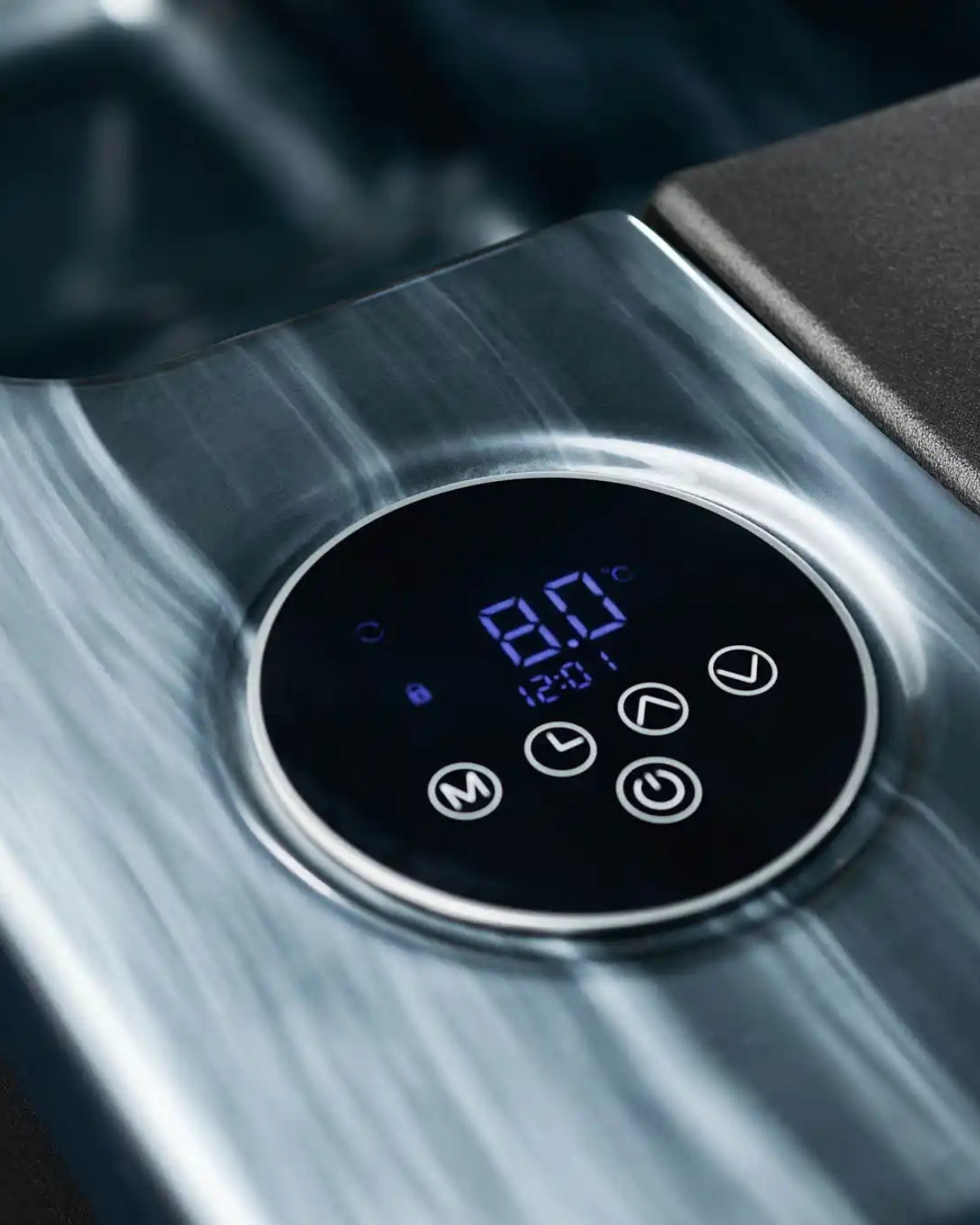
Traditional ice baths are simply a tub filled with water and bags of ice. A dedicated ice bath — like the Avantopool range available through C11 — uses a chiller and filtration system to hold the water at a set temperature automatically, so it’s ready to use any time without ice runs, guesswork or dirty water.
Ice Bath vs Cold Plunge vs Cryotherapy: What’s the Difference?
These terms get used interchangeably, but they’re not the same thing:
- Ice bath — a tub cooled with bags of ice, with limited and inconsistent temperature control.
- Cold plunge — a purpose-built tub with an electric chiller (and often filtration) that automatically maintains a precise, consistent temperature. This is what Avantopool ice baths are.
- Cryotherapy — whole-body exposure to freezing air for a few minutes, rather than water. Cryotherapy has weaker research support than cold water immersion and requires specialist equipment.
For consistent, hygienic, repeatable results, a temperature-controlled cold plunge is the more reliable option of the three.
What Are the Benefits of Ice Baths?
Cold water immersion is one of the most researched recovery tools in sport and wellness. The most consistently supported benefits are:
- Faster muscle recovery — reduces perceived soreness (DOMS) after hard training
- Reduced inflammation and swelling — via short-term vasoconstriction
- Lower stress and improved resilience — regular cold exposure appears to downregulate the body’s stress response over time
- Mood and energy boost — cold immersion triggers a measurable rise in dopamine that can last several hours
- Better sleep quality — commonly reported with consistent use
- Brown fat activation — cold exposure activates metabolically active brown fat tissue
Myth vs Fact: Does an Ice Bath Kill Muscle Gains?
This is one of the most searched ice bath questions, and the honest answer is: it depends on timing.
- If your goal is reducing soreness, an ice bath 30–60 minutes after training is effective.
- If your goal is building muscle, cold immersion immediately after strength training can blunt the inflammatory response that drives muscle growth. Wait 6–8 hours after a hypertrophy-focused session before getting in.
This isn’t a reason to avoid ice baths — it’s a reason to time them intentionally based on what you’re training for.
Is Cold Water Therapy Safe?
For most healthy adults, short, controlled cold water immersion is safe when done sensibly. That said, cold exposure is a genuine physiological stressor, and it isn’t right for everyone.
Speak to your doctor before starting if you have:
- A cardiovascular condition or high blood pressure
- Raynaud’s syndrome or poor circulation
- Are pregnant
General safety guidelines:
- Never use an ice bath alone, especially when you’re new to it
- Don’t submerge your head or hold your breath — focus on slow, steady breathing instead
- Get out immediately if you feel dizzy, numb, or start shivering excessively
- Always have a warm-up plan ready afterwards (dry towel, warm layers, warm drink)
This is general information, not medical advice — if you have any underlying health condition, check with a healthcare professional before starting cold water therapy.
How Cold Should an Ice Bath Be?
Most people get meaningful benefits from water between 10°C and 15°C (50–59°F). Beginners should start at the warmer end of that range and work colder as tolerance builds — going colder is more effective than staying in longer. Avantopool ice baths from C11 hold a temperature range of roughly 4°C to 40°C, so the same unit can be dialled in for a gentle first session or a serious cold-adapted plunge.
How Long Should You Stay in an Ice Bath?
For most people, 2–5 minutes is the effective range. As a rough guide:
- Beginners: 30 seconds to 2 minutes, at the warmer end of the temperature range
- Intermediate: 3–5 minutes at 10–13°C
- Advanced: shorter sessions at colder temperatures rather than longer sessions — a 3-minute plunge at 4°C is a stronger stimulus than 10 minutes at 13°C
You don’t need to grit your teeth through long sessions to get the benefit. Consistency matters more than duration.
How Often Should You Use an Ice Bath?
Research commonly points to a total of around 11 minutes of cold exposure per week, split across 2–4 sessions. A simple, sustainable starting routine:
- Weeks 1–2: 2 sessions per week, 1–2 minutes each, 13–15°C
- Weeks 3–4: 3 sessions per week, 2–4 minutes each, 10–13°C
- Ongoing: 2–4 sessions per week, adjusting temperature (not just time) as tolerance builds
Morning sessions tend to boost energy and focus for the day ahead; evening sessions are often used to support sleep. Either works — the important thing is choosing a time you’ll actually stick to.
Choosing the Right Ice Bath: Home, Portable or Commercial
The right ice bath depends on your space, budget and how you plan to use it. C11 supplies the full Avantopool range, each engineered in Finland for consistent, filtered, chemical-light cold water:
- Avantopool Kinos Evo — the most compact option, 300L capacity, full immersion for one person. A strong fit for a home gym or a first commercial unit where space is tight.
- Avantopool Kinos Plus — 20cm longer than the Kinos Evo with a single-piece gel-coated fiberglass shell, built for taller users who want true full-body immersion.
- Avantopool Kuura — a design-led option with an integrated headrest and a distinctive Midnight Opal acrylic finish, at 180cm long. Suits anyone prioritising comfort and aesthetics alongside function.
- Avantopool Hanki — a portable ice bath with an external cooling and heating unit, fitting up to three people standing or one fully submerged. Built for gyms, studios and teams that need to move it between locations or use it outdoors.
Every Avantopool unit installed by C11 includes continuous UV water purification and filtration, WiFi-enabled digital temperature control, and an RCD-protected power supply for safe operation.
Ice Bath Maintenance: Is It Hard to Keep Clean?
Maintaining an Avantopool ice bath is considerably simpler than most people expect:
- Shower before entering to keep the water cleaner for longer
- Clean the filter weekly
- Change filters every 2–6 months, depending on how often it’s used
- Change the water every 1–3 months (Kinos Evo, Kinos Plus, Kuura) or every 3–7 days (Hanki)
- Under heavy use, a small amount of chlorine weekly helps keep the water clear between changes
Continuous UV purification built into every Avantopool unit does most of the ongoing work, so day-to-day maintenance is minimal.
Can Ice Baths Go Outdoors in Ireland?
Yes — Avantopool ice baths can be installed outdoors when they’re fully weather-protected, for example on a covered patio or glazed terrace. The Hanki’s external chiller unit is rated for outdoor use, making it a practical option for gyms, studios or gardens where a fixed indoor installation isn’t possible. C11 can advise on the right setup for your specific space as part of installation.
Frequently Asked Questions
What’s the difference between an ice bath and a cold plunge?
An ice bath traditionally refers to a tub cooled with bags of ice, offering limited temperature control. A cold plunge uses an electric chiller to hold a precise, consistent temperature automatically — which is how every Avantopool unit at C11 works.
How cold does an ice bath need to be to work?
Most people see benefits between 10°C and 15°C. Avantopool units can be set anywhere from 4°C to 40°C, so you can start gentle and get colder as your tolerance builds.
How long should a beginner stay in an ice bath?
Start with 30 seconds to 2 minutes at the warmer end of the temperature range, and build up gradually over several weeks.
Is it better to ice bath before or after a workout?
After. For general soreness relief, plunge 30–60 minutes post-workout. If muscle growth is the goal, wait 6–8 hours, as immediate cold exposure can blunt the muscle-building response.
How often should I use an ice bath?
2–4 sessions per week, aiming for roughly 11 minutes of total cold exposure weekly, is a well-supported starting point.
Is an ice bath safe for everyone?
Not for everyone. Anyone with a cardiovascular condition, circulation issues, or who is pregnant should speak to a doctor before starting. Never use an ice bath alone.
How much maintenance does an ice bath need?
Weekly filter cleaning and periodic water changes (every 1–3 months for the Kinos Evo, Kinos Plus and Kuura, or every 3–7 days for the Hanki). Continuous UV filtration built into every Avantopool unit keeps day-to-day upkeep light.
Can an ice bath be installed outdoors in Ireland?
Yes, when it’s fully weather-protected, such as under a covered patio or on a glazed terrace. The Hanki’s external chiller is rated for outdoor use.
Ready to Start Cold Water Therapy?
C11 supplies and installs the full Avantopool range across Ireland — from the compact Kinos Evo to the portable Hanki. Browse our ice baths or get in touch for advice on which model fits your space and goals.