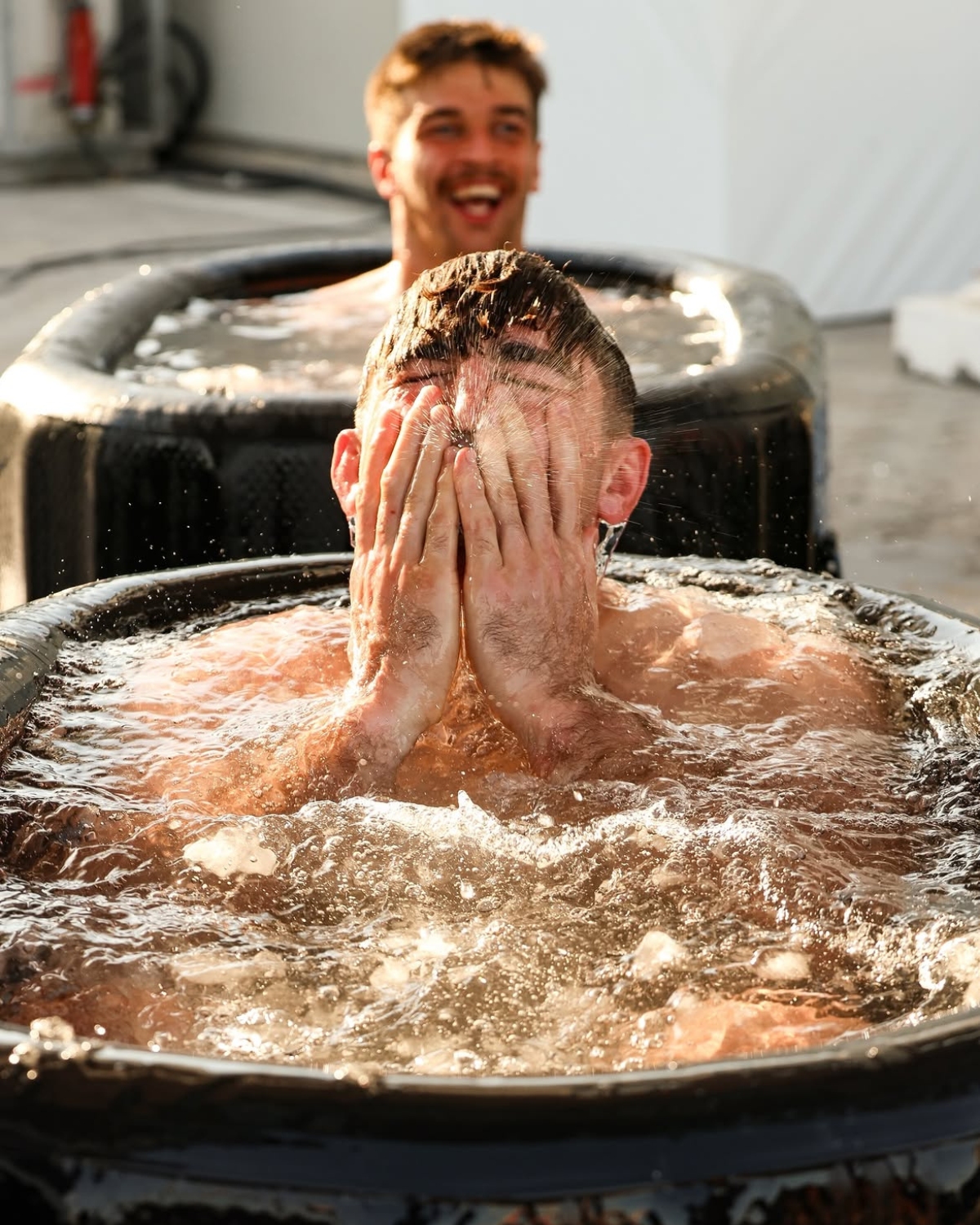
Cold water immersion is one of the oldest recovery practices there is, and for most healthy adults, a short, controlled ice bath is safe. But “most people” isn’t “everyone,” and cold water is a genuine physiological stressor — not something to treat casually. This guide covers exactly who should check with a doctor first, what the real risks are, and how to plunge safely from your very first session.
Most people search for “ice bath,” but a cold plunge — a unit with a built-in chiller that holds a precise, set temperature, like the Avantopool range supplied by C11 — is actually the safer version of the two. A DIY ice bath’s temperature drifts as the ice melts, which makes it harder to know exactly what you’re stepping into. A cold plunge removes that guesswork, so you always know precisely how cold the water is before you get in.
When you enter cold water, your body triggers an automatic cold shock response: your breathing rate spikes, your heart rate increases, and blood vessels near the skin constrict to protect your core temperature. This is a completely normal reaction — it’s also exactly why the first 30–60 seconds are the part beginners find hardest, and why controlling your breathing matters more than gritting your teeth.
As you adapt with repeated exposure, this response becomes noticeably milder — which is one of the genuine, measurable signs that regular practice is working.
Cold water immersion isn’t right for everyone. Speak to a healthcare professional before starting if you have:
This is general information, not medical advice. If in doubt, a quick conversation with your doctor before your first session is always the safer move.
These are genuine and worth understanding, not to scare you off, but so you know exactly what you’re managing:
The sudden gasp reflex and rapid breathing in the first moments of immersion. This is where most beginner mistakes happen — panicked, shallow breathing can lead to hyperventilation and, in rare cases, fainting.
This happens with prolonged exposure, not a well-timed short session. Staying in far longer than recommended, especially at very low temperatures, is when core body temperature can drop dangerously.
Extended exposure at very cold temperatures can, in rare cases, cause localised skin or nerve issues. This is why sticking to sensible durations (a few minutes, not tens of minutes) matters.
The temporary rise in blood pressure and heart rate is manageable for most healthy people but is the specific reason anyone with a heart condition needs medical clearance first.
Safety isn’t only about temperature — the water itself matters. Standing water that isn’t properly filtered and maintained can harbour bacteria, particularly in a tub that’s shared by multiple people. This is one of the practical advantages of a cold plunge over a DIY tub: Avantopool units, supplied by C11, include continuous UV water purification and filtration, which keeps the water genuinely hygienic between changes rather than relying on someone remembering to treat it manually.
For most healthy adults who’ve built up tolerance gradually, short daily sessions are generally fine. What matters more than frequency is keeping sessions within sensible time and temperature limits, and paying attention to how your body responds session to session, rather than pushing intensity purely for the sake of it.
No. Anyone with a cardiovascular condition, high blood pressure, circulation issues like Raynaud’s, or who is pregnant should speak to a doctor before starting. Most other healthy adults can start safely with a gradual, sensible approach.
Going too cold and staying in too long on the very first session, combined with panicked or rapid breathing. Starting warmer and shorter, with controlled breathing, is far safer.
Cold water immersion causes a temporary rise in blood pressure and heart rate, which can be a genuine risk for people with existing heart conditions. This is exactly why medical clearance matters for anyone in that category before starting.
No. Especially in your first weeks, always have someone nearby in case you feel unwell or experience an unexpected reaction to the cold.
It adds risk without adding meaningful extra benefit for most people. Most of the physiological benefit comes from immersion up to the neck.
Look for a unit with proper filtration, such as continuous UV purification, and follow a regular water-change schedule. This matters even more when the ice bath is shared by multiple people.
A precise, consistently held temperature and continuously filtered water make it easier to plunge safely, every time. C11 supplies and installs the full Avantopool cold plunge range across Ireland. Browse the range or get in touch if you have questions about what’s right for you.
We supply and install the full Avantopool range across Ireland and the UK. Tell us about your space and we’ll recommend the right unit.

So we can show you the right prices and delivery options.
All prices include VAT. You can change this any time.