Golf doesn’t look like a recovery-intensive sport from the outside, but the numbers tell a different story. Lower back pain accounts for somewhere between 18% and 54% of all golf-related complaints, making it the single most common issue golfers deal with — at every level, from weekend players to touring professionals. The cause isn’t a single big collision or sprint; it’s a repetitive, rotational, unilateral motion performed hundreds of times a round, week after week. Here’s what the research says about recovering from it properly.
A golf swing asks the body to do something it isn’t naturally built to repeat: generate maximum rotational force through the spine, in one direction, over and over, at speed. That combination of twisting, compression and repeated unilateral loading places significant strain on the lower back specifically, and over time it’s linked to muscular imbalances, stiffness, and in more serious cases, disc injuries where repeated force on the intervertebral discs causes small tears and eventual herniation.
The 18–54% figure comes from a review of golf-related low back pain published in the Asian Journal of Sports Medicine, which pulled together the epidemiological studies on the subject. The range is wide because different studies counted things differently, but every one of them put the lower back at the top of the list.
Beyond the back, restricted mobility — particularly through the hips and thoracic spine (upper back) — is directly linked to reduced swing performance. Clubhead speed depends on a full range of motion through that rotational chain; if the hips are tight or the upper back won’t rotate freely, golfers lose both distance and consistency, which makes mobility a performance issue as much as a recovery one.
Golf-specific physiotherapy resources consistently point to hot and cold therapy as a core recovery tool, alongside massage and targeted mobility work. The two modalities serve different, complementary purposes:
Alternating between the two — heat to loosen and improve mobility, cold to manage inflammation when it flares — is a commonly recommended approach in golf-specific rehabilitation guidance, mirroring the broader contrast therapy research used across sport.
Heat therapy doesn’t get talked about as much as ice for sports recovery generally, but it’s particularly well-suited to golf’s specific demands. Because a golf swing depends so heavily on rotational range of motion, and heat improves tissue extensibility — the ability of muscle and connective tissue to stretch — regular sauna use has a direct, practical case for golfers beyond general relaxation:
One detail worth getting right, because it changes how you use the sauna: the strongest evidence here is for heat combined with stretching, not heat on its own. A systematic review in Physical Therapy in Sport found that heating before or during stretching produced consistently better range-of-motion gains than stretching alone, across different muscle groups and heating methods, with the effect building over repeated sessions. So the practical version for a golfer isn’t just sitting in the sauna — it’s doing your hip and thoracic mobility work while you’re warm, or straight after. Regular sauna use paired with mobility work is a genuine part of maintaining swing mechanics over a season, not only a post-round comfort measure.
While golf isn’t a high-impact, collision-based sport, an ice bath still has a clear, specific role: managing inflammation and acute soreness when it does flare up, whether that’s from a heavy week of play, a swing change that’s stressed a new movement pattern, or a lower back that’s reacted badly to a particular round. A short cold plunge session after a demanding round or a bout of back discomfort follows the same evidence-based approach used broadly in cold therapy for musculoskeletal pain: reducing swelling, easing pain, and helping prevent the spasms that can turn a minor niggle into a lost week of golf. Our beginner routine guide covers how to start.
| What to do | Why | |
|---|---|---|
| After a normal round | A sauna session, with your hip and thoracic mobility work done while you’re warm | Eases general muscle tension and is where the heat-plus-stretch range-of-motion benefit actually comes from |
| After a demanding round, or when back pain flares | A short cold plunge | Manages inflammation and pain, following the hot/cold guidance used in golf-specific physiotherapy |
| Between rounds, as a standing habit | Regular sauna use rather than occasional | The mobility gains build across repeated sessions, and that mobility both protects the lower back and supports clubhead speed |
| If back pain persists or worsens | Get assessed by a physiotherapist or sports medicine professional | Hot and cold therapy sits alongside proper assessment, not instead of it — swing mechanics and movement patterns are often the real root cause |
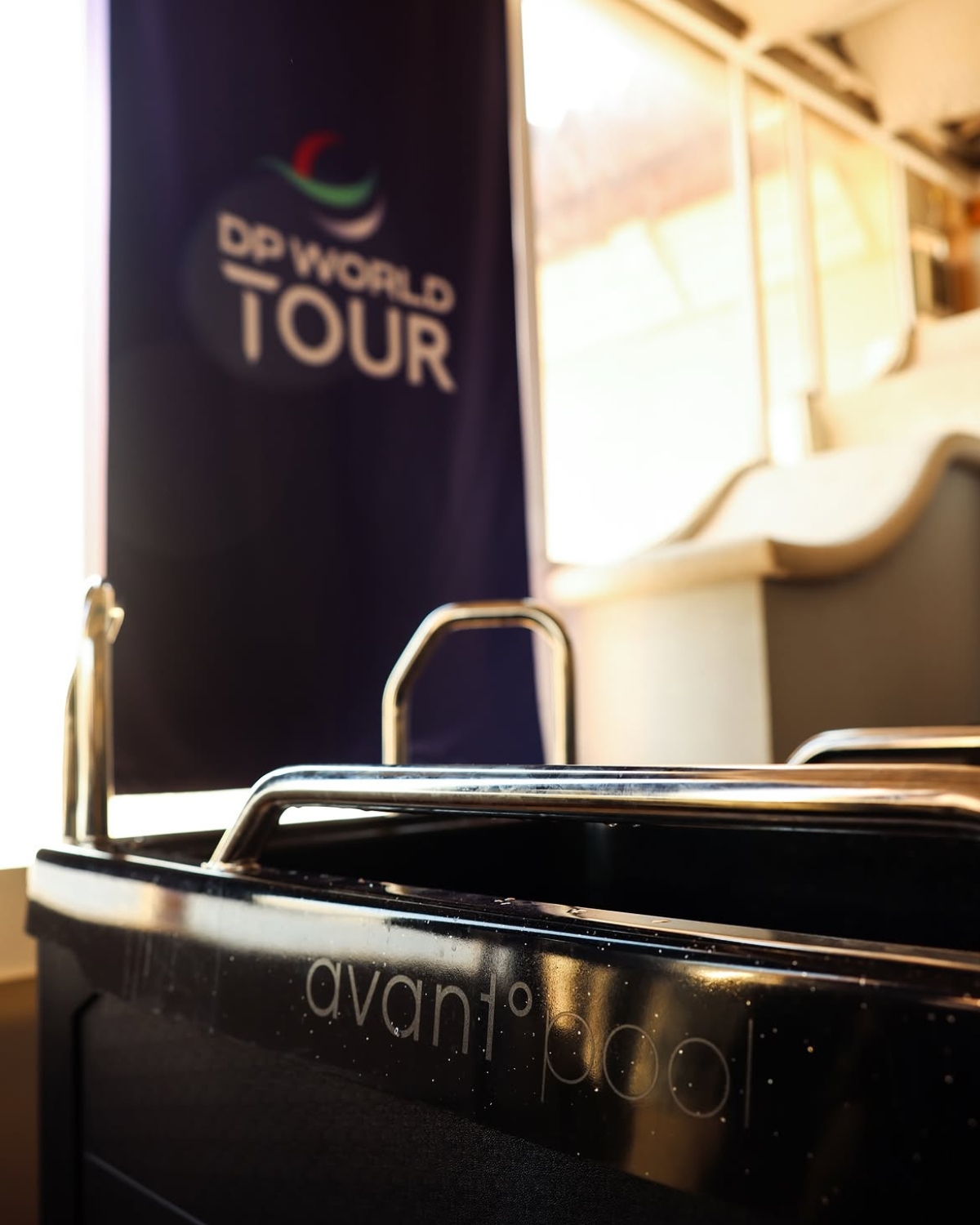
The golfers who benefit most from hot and cold therapy are the ones who build it into a regular routine rather than reaching for it only after pain shows up. A sauna and cold plunge set up at home removes the friction of needing to travel to a spa or clinic after every round, which is exactly why C11 pairs Hekla saunas with Avantopool cold plunges — making it realistic to actually stick with a recovery habit through a full golf season, not just when the back is at its worst.
Very common. Epidemiological studies collected in a review in the Asian Journal of Sports Medicine estimate lower back pain accounts for between 18% and 54% of all golf-related complaints, making it the most frequently reported issue among golfers at every level.
Indirectly, yes, and it works best paired with stretching. Heat improves tissue extensibility, which supports the hip and thoracic spine mobility golfers need for a full rotational swing, and the research shows heat combined with stretching produces better range-of-motion gains than stretching alone. Reduced mobility in these areas is linked to lower clubhead speed and less consistent ball striking.
Both, depending on the situation. Heat helps loosen tight muscles and improve mobility generally, while cold therapy is more appropriate for managing acute inflammation, swelling and pain when back discomfort flares up after a round.
Golf-specific guidance suggests regular use — not just after the toughest rounds — since the mobility benefits that protect the lower back and support swing mechanics build up with consistent practice over a season.
No. Hot and cold therapy is a genuinely useful recovery tool, but persistent or worsening back pain should be assessed by a physiotherapist or sports medicine professional, since swing mechanics or underlying movement patterns are often the actual cause.
Having a sauna and cold plunge set up at home removes the main barrier to consistency — the friction of travelling somewhere else after every round. C11 supplies and installs both together, making a regular routine realistic to maintain.
C11’s mobile recovery room brings professional hot-and-cold recovery directly to your club — for an open, a society day, a corporate outing or a members’ wellness day. Check availability for your club or event.
And for the week-to-week routine this post is really about, we supply and install the full Hekla sauna and Avantopool cold plunge ranges across Ireland. Get in touch to talk through what fits your game and your space.
Our mobile recovery room brings professional hot-and-cold recovery directly to your team or event. Sports clubs, competitions, corporate days and wellness activations, anywhere in Ireland.

So we can show you the right prices and delivery options.
All prices include VAT. You can change this any time.