
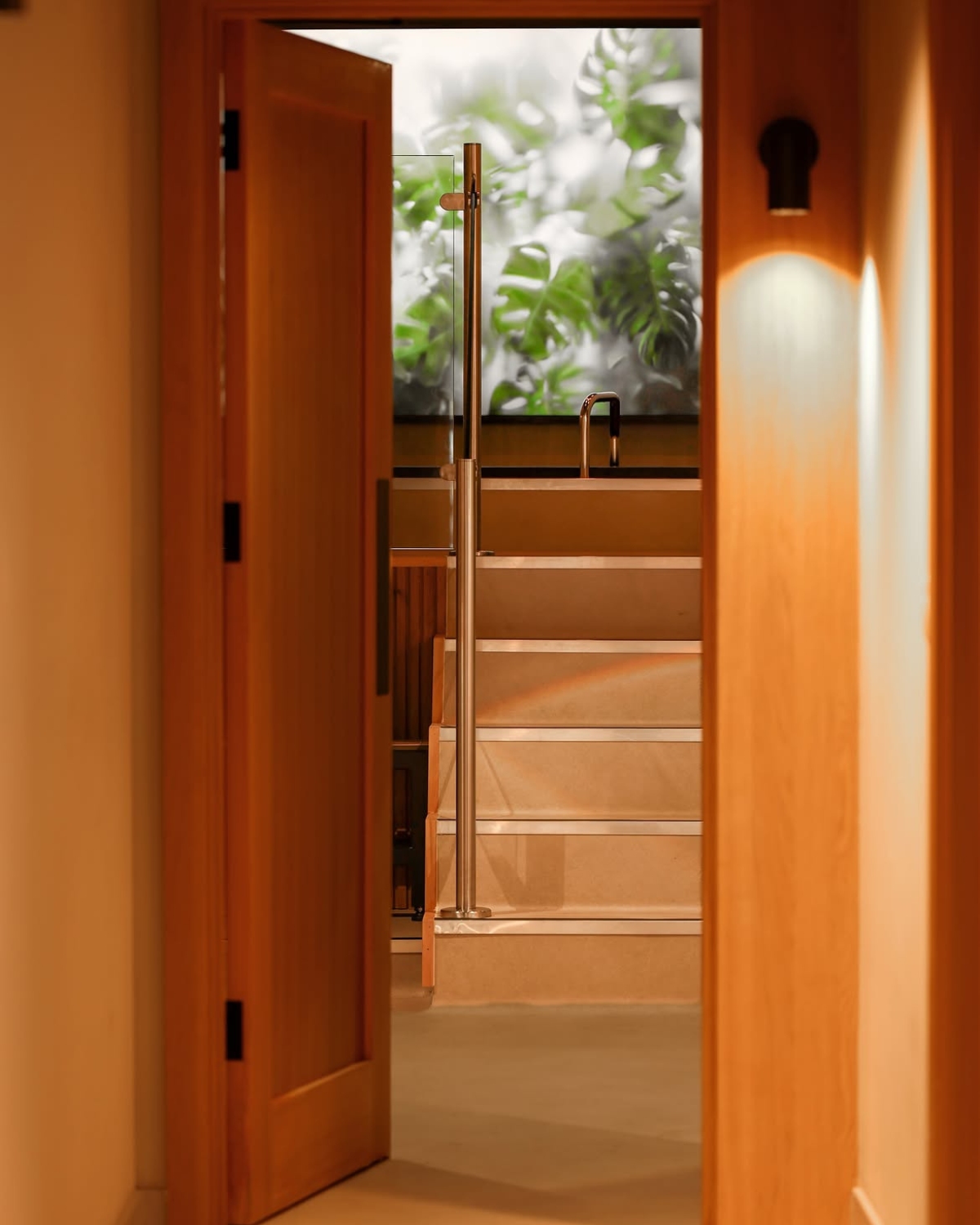
Over the last few weeks I’ve spent a serious amount of time on site at New Era in Junction 6, working on one of the most detailed bespoke projects C11 has taken on so far.
And strangely, one of the first things it did was remind me of the very early days of the business.
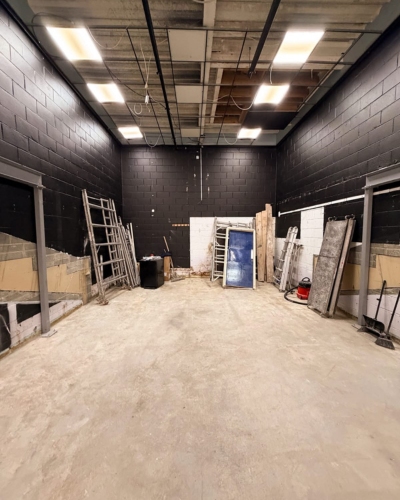
Before New Era took over the space, it was home to Recovery Room.
Nearly four years ago, myself and Jack had one of our earliest Recovery Truck bookings through the previous owner.
At the time, we were just trying to get C11 moving.
So walking back into the same building years later, this time being trusted to design and build a complete commercial sauna and cold plunge space, was a nice little reminder of how much has happened in between.
Not really a full-circle moment that I want to overthink.
Just one of those times where you stop for a second and go, Jesus, we’ve actually come a fair bit.
Then you get back to work.
Because this project gave us plenty of it.
New Era came to us with an open canvas.
They had ideas around what they wanted the space to feel like, but from there we were able to work alongside the architect and design team to develop the complete recovery area.
The layout.
The flow.
The colours.
The timber.
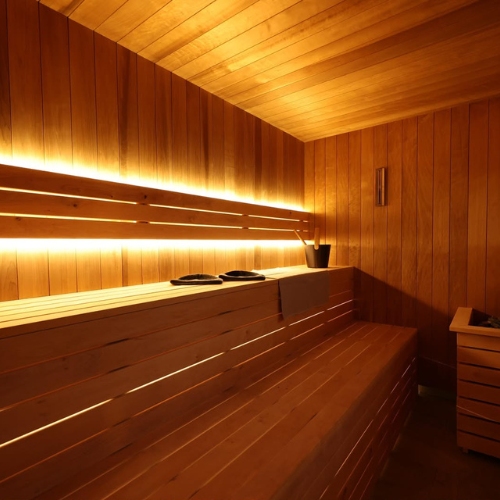
The sauna.
The pools.
Even the moulds for the cold plunges were made specifically for the space.
That part of the business is something I’m enjoying more and more.
I love being presented with something that doesn’t necessarily already exist and being asked:
How do we make this work?
Before C11, I spent 12 years as an electrician.
And projects like New Era bring me right back to that version of myself.
Getting the Snickers on.
Tools out.
Working with my hands.
Looking at a problem and figuring out what needs to happen electrically, mechanically and practically to make the whole thing work.
I love the partnerships C11 has created.
I love travelling.
I love getting opportunities in the UK, Europe or the Middle East that I never imagined I would have.
I’ll never take any of that for granted.
But there is a completely different feeling I get from being given a difficult construction project with a deadline attached to it.
That probably brings out the best in me.
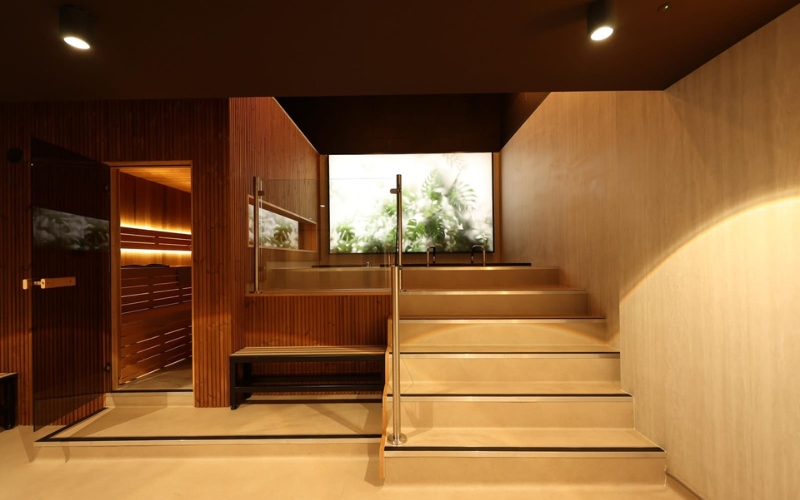
The cold plunge system at New Era was probably the most interesting part technically.
We didn’t want to simply install two pools and connect chillers to them.
We wanted to create a proper commercial system that removed as much manual operation as possible.
One smaller plunge.
One large commercial plunge capable of taking multiple people at once.
Nearly 2,500 litres of water across the system.
But what really interested me was what happened behind the scenes.
We introduced level sensors into the pools so the system can recognise when the correct water level has been reached.
Those sensors then control the incoming water supply through electrically operated valves.
The idea is simple from the customer’s point of view.
Tell the pool to fill.
The valve opens.
The pool fills.
The level sensor reaches its set point.
The valve closes.
But then we wanted to go another step further and allow the entire process to be controlled remotely.
So we introduced smart relays into the control system, allowing the fill and drain functions to be operated through a phone.
That meant the level sensors, valves, relays, pumps, filtration, drainage and controls all had to communicate properly with each other.
And I love that stuff.
The end user doesn’t need to know any of it exists.
They just press a button on their phone.
That is probably what makes a good system.
The complexity is hidden so the experience feels simple.
Behind the finished room there are components and equipment coming from several different suppliers and different parts of the world.
Cold-water technology and software from Finland.
Commercial pumps.
Filtration.
Sensors.
Valves.
Control equipment.
Electrical components.
Bespoke pool moulds.
Steel fabrication.
Timber.
Sauna equipment.
Glass.
And then somehow all of those things need to arrive in Ireland at the right time, on the right site, and eventually work together as one complete system.
That side of a job is every bit as important as the installation itself.
And it’s also where having people like Aideen, Eamonn & Jess in the office makes a huge difference.
When I get into a project like this I can completely disappear into the construction side of it.
So having the team looking after parts of the ordering and process behind us, and helping to keep the wider C11 operation moving, gives me the opportunity to actually focus on solving what is in front of me.
Then Gabor has become really important in taking ideas and turning them into proper drawings that a fabrication or construction team can actually build from.
That whole process idea, drawing, fabrication, installation, commissioning is something I’m really starting to enjoy.
Of course, it didn’t all work exactly as it looked on the original drawings.
The two commercial chillers were initially designed to be positioned externally close to the pools.
That gave us the airflow we needed and kept the hydraulic side of the system relatively straightforward.
But we hadn’t properly run that particular part of the design past the landlord.
He wasn’t happy with the proposed location.
Which meant the chillers suddenly had to move into a crawlspace above the recovery room.
Five metres further away.
And roughly five metres higher.
That completely changed the system we had designed.
Pump positioning.
Pipe runs.
Head pressure.
Flow.
Priming.
Servicing.
Pretty much every assumption we had made around that part of the installation had to be looked at again.
And those situations are funny.
You can waste a lot of energy deciding whose fault something is.
Or you can accept that the problem exists and get on with solving it.
So, like quite a few of these Founder Notes seem to include, there was a phone call with my dad.
Talk it through.
Come up with a solution.
Implement it.
Move on.
And that is probably one of the biggest things I’ll take from the job.
On future commercial projects, every stakeholder needs to be involved in the design sign-off earlier.
Client.
Architect.
Builder.
Landlord.
Mechanical and electrical teams.
Us.
Everyone.
It seems incredibly obvious now.
But a lot of the best lessons in business seem obvious after you’ve learned them the difficult way.
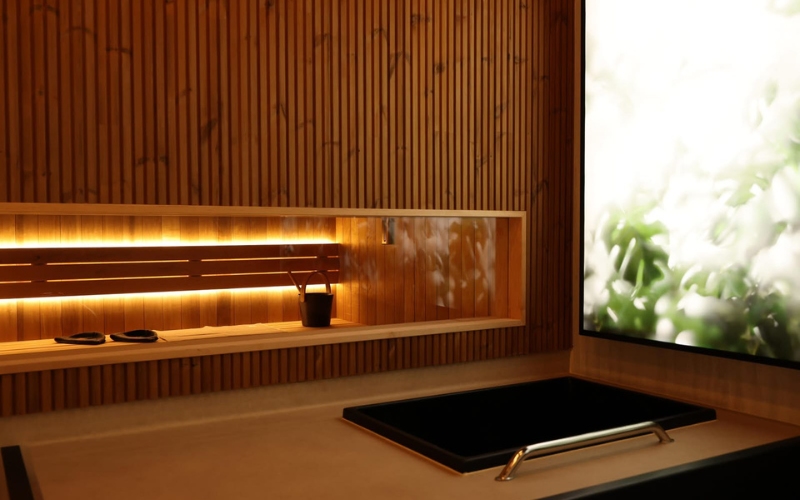
The sauna gave us a different challenge.
We had committed to an aggressive deadline for the project.
Probably too aggressive.
There were delays elsewhere on the build, which then pushed our programme back.
The team we had scheduled suddenly had downtime, and when the site was eventually ready for us, everything had to be compressed.
And that created some very long days.
There were Sundays where I spent 16 or 18 hours on site.
Long evenings.
Constant changes.
Something gets finished and another problem appears.
And this is where I have a slightly strange relationship with how I want C11 to grow.
There is a version of the future I’m constantly working towards.
A properly scaled business.
Clear processes.
Strong operations.
Teams responsible for different parts of the company.
Jobs moving smoothly from design to ordering to installation without me needing to be in the middle of everything.
I absolutely want that.
But there is another small part of me that is terrified I’ll miss the chaos.
Because I genuinely love the moment where you look at something and think:
Fuck me, this is a shit show.
Followed almost immediately by:
Right. How are we fixing it?
This has to work.
There’s a deadline.
There’s a client relying on us.
And ultimately, it’s on my shoulders to figure it out.
There is something about that responsibility that I really enjoy.
Maybe that’s not sustainable forever.
It probably isn’t.
But there is no doubt that when something is difficult, the reward at the end of it feels different.
If New Era had been straightforward from day one, I genuinely don’t think I would have taken half as much satisfaction from seeing it operating.
The day we eventually turned the system on was one of those moments.
We were chilling almost 2,500 litres of water from roughly 25°C down to 8°C in around 50 minutes.
That will mean absolutely nothing to most people.
I was delighted with myself.
Because I knew everything that sat behind it.
The phone calls.
The redesigned pipework.
The pumps.
The electrical controls.
The sensors.
The software.
The installation.
The mistakes.
The testing.
All of the things people will never see when they walk into the finished facility.
The sauna was the same.
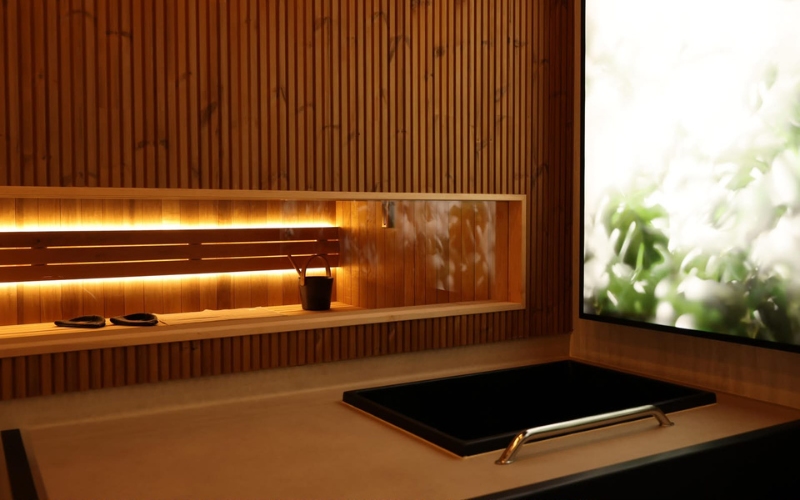
Black alder benches.
Thermo-aspen cladding.
A 15kW commercial heater.
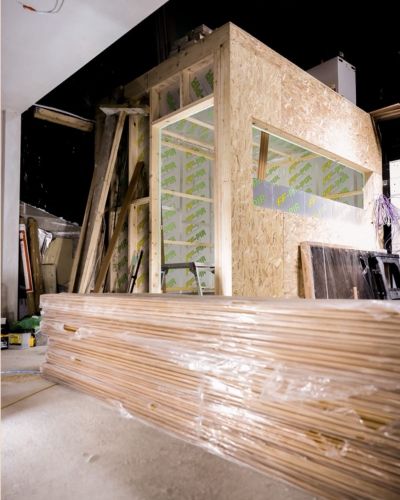
Steelwork underneath the raised platform.
50×50 box section fabricated to support the structure.
All hidden once the photographs are taken.
But when you’ve watched something go from a conversation, to a drawing, to pieces arriving from different places around the world and eventually becoming a functioning room, there is a huge satisfaction in it.
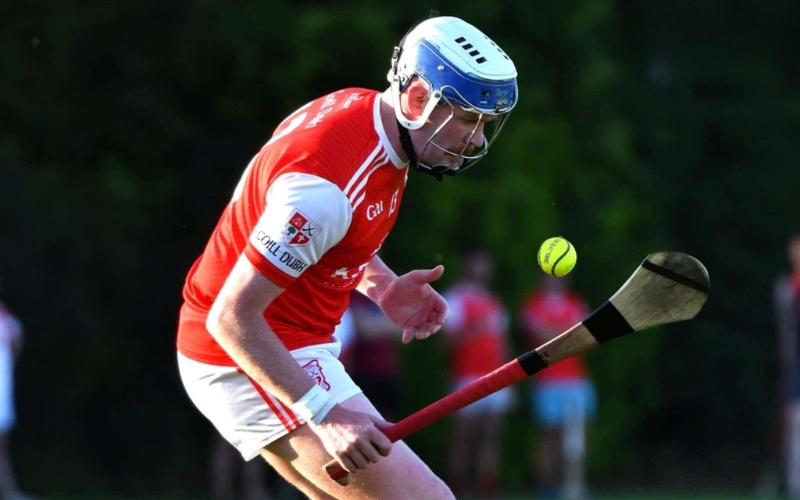
And then, right in the middle of all of this, I played senior hurling championship for my club for the first time in nearly two years.
That opened up a completely different thought in my head.
I’ve played hurling for as long as I can remember.
And one question I’ve probably asked myself more than I’d admit over the years is:
Do I actually love hurling, or is it just something I’ve always done?
Because there have definitely been periods where I’ve resented the game.
It takes a huge amount from you.
Your evenings.
Your weekends.
Your summers.
Things you miss.
Places you don’t go.
Decisions you make because there is training on Tuesday or a game on Sunday.
And when you have done something from such a young age, it’s difficult to know whether you still choose it or whether it has simply become part of who you are.
There were definitely years where I wondered whether all of that time was worth it.
If I could go back, would I do it all again?
Would I have been happier putting those hours somewhere else?
And even now, I don’t think I know the answer to that.
My role in the team is different today.
I’m not coming back thinking I’m going to be the most important player on the pitch.
C11 is also in a very different place, and after having nearly two years away from senior championship hurling, I’ve finally had enough distance from the game to look at it differently.
And strangely, coming back has reminded me how much enjoyment I actually get from it.
There is a feeling when you cross the white line that is incredibly difficult to explain.
Everything else shuts off.
There are no emails.
No suppliers.
No customers.
No site problems.
No phone ringing.
No decisions that need to be made.
There is just whatever is happening in front of you.
I get that same flow state sometimes when I’m buried in a C11 project.
But sport creates it almost instantly.
And maybe having some time away from hurling has allowed me to appreciate that part more.
I still don’t know if I would do every year exactly the same again.
I still sometimes wonder what the game has taken from me as much as what it has given me.
But last Thursday, in one of the worst evenings for hurling I can remember, putting the club jersey back on and playing championship gave me a huge amount of enjoyment.
Maybe I don’t need to have the answer yet.
Maybe it can be something I love and something I resent at the same time.
Maybe both can be true.
New Era has made me think about challenges in much the same way.
I used to think that, eventually, business would get easier.
You reach a certain turnover.
You build the team.
You get the systems right.
And suddenly everything just runs.
I’m not sure that ever actually happens.
I think the problems just change.
The stakes get higher.
The systems get more complicated.
More people are involved.
More people rely on you.
Maybe the goal isn’t to eliminate difficult things.
Maybe it is to become better at dealing with them.
And in some ways, the biggest reward from New Era isn’t even the finished facility.
It’s what we now know because of it.
We know more about commercial pool design.
More about automation.
More about positioning plant equipment.
More about hydraulic systems.
More about stakeholder sign-off.
More about programme management.
More about coordinating bespoke manufacturing, design and construction.
All of those lessons now belong to us.
And before this project has even properly launched, we’ve won another really exciting contract in Dublin for a project that will follow a very similar bespoke commercial model.
Which made me laugh a little bit.
Because apparently the reward for hard work is…
more work.
But that’s probably how it is supposed to happen.
You take on something difficult.
You get parts of it wrong.
You figure them out.
You learn.
You build a better process.
Somebody sees the end result.
And then you’re trusted with another opportunity.
A slightly bigger challenge.
Another chance to improve.
Maybe the reward isn’t that things become easier.
Maybe the reward is that you become capable enough that harder work starts finding you.
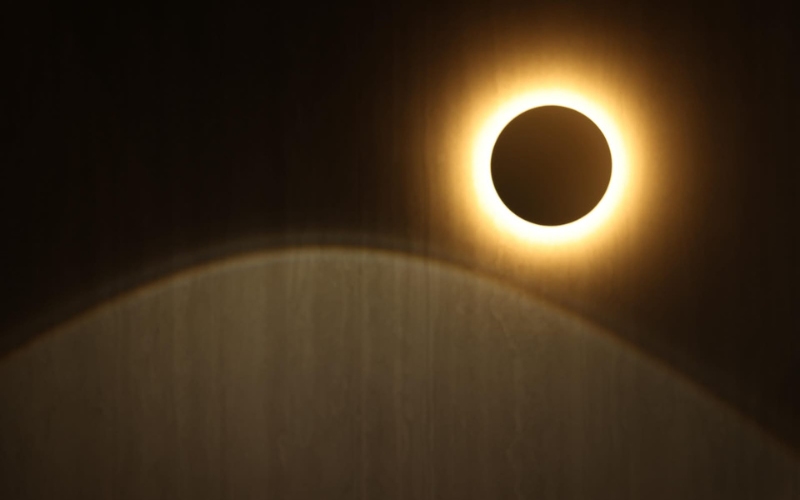
And I think that’s where the quote I’ve attached to this Founder Note fits perfectly:
Expect the challenge.
New Era challenged us.
Hurling has challenged me for most of my life.
C11 challenges me almost every day.
And while part of me wants everything to eventually run perfectly, I think there will always be another part of me that wants something difficult sitting in front of me.
Something we haven’t done before.
Something I’m not 100% certain we can pull off.
Something that forces me to think:
Right. How are we going to make this work?
Because I’m beginning to realise those are normally the things I enjoy most.
Ryan

So we can show you the right prices and delivery options.
All prices include VAT. You can change this any time.