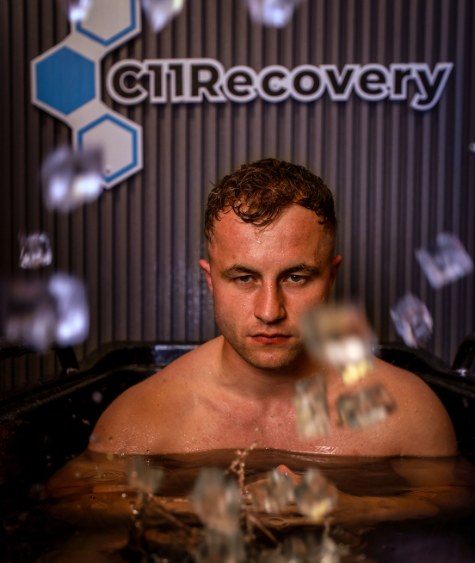
For most healthy adults, a practical target is 4°C for short, deliberate immersions. That is the temperature we recommend and maintain with our systems. The key is control and consistency. With our Avantopool baths you do not need to guess the temperature or rely on melting ice. You set your target and the unit holds it. Beginners can start warmer and shorter, then progress gradually.
You do not need any. Our Avantopool units use an integrated chiller to bring the water to your chosen temperature. This gives you repeatable results, better hygiene, and lower running costs over time. No last-minute dashes to buy ice and no mess in your bathroom or patio.
1, Dry off and rewarm gradually. Put on warm clothing or move into a temperate environment.
2. Hydrate. Cold exposure can be dehydrating. Sip water or an electrolyte drink.
3. Refuel. If the plunge followed training, a balanced meal or snack supports recovery.
4. Move gently. Light mobility or a short walk can feel good as you warm back up.
5. Log your session. Track time and temperature to refine what works for you.
Used correctly, ice baths can be a helpful tool. Many people find they reduce next-day soreness, support perceived recovery, and improve readiness for the next session. They can also be a useful way to build mental resilience by practising calm breathing in a controlled stressor. Results vary by individual and sport. If your goal is pure hypertrophy, you may prefer to time cold exposure away from the immediate post-lift window. If your priority is fast turnarounds between matches or sessions, cold can be valuable right after effort.
Cold carries risk if misused. People with cardiovascular disease, uncontrolled high blood pressure, Raynaud’s, or other circulatory issues should seek medical advice before starting. Avoid hyperventilating in the water and never train breath holds in an ice bath. Limit alcohol beforehand, have a timer, and step out if you feel numbness or dizziness. Start conservative and build up. Our controlled-temperature systems help reduce risk compared to improvised tubs that fluctuate wildly.
[Avantopool Kinos] for professional-grade facilities that want a robust, spacious unit with tight temperature control
[Avantopool Hanki] for versatile installations where footprint matters without compromising performance
[Avantopool Kide] for portability and rapid deployment at events, gyms, and home set-ups
Each unit maintains the exact temperature you specify, circulates and filters water for cleanliness, and removes the guesswork. No ice. No mess. Just consistent, repeatable cold therapy.
1. Begin with 1 to 3 minutes at a comfortable cool setting, then progress toward 4°C as tolerated.
2. Aim for 2 to 4 sessions per week, adjusting based on training load and how you feel.
3. Keep a simple log of time, temperature, and how you felt the next day.
4. Use calm, nasal breathing and step out before shivering becomes intense.